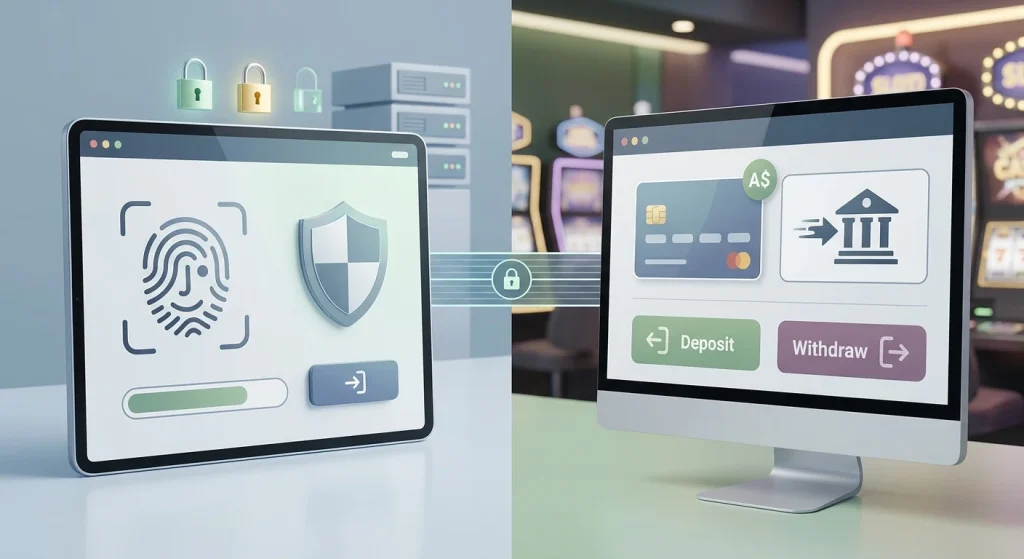
Fast Inclave Verification and KYC Australia
 Available in AU
Content
Identity checks
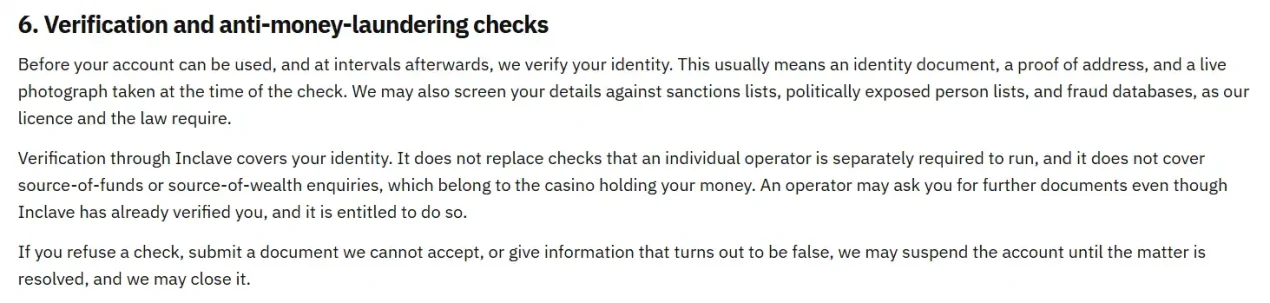
Inclave’s current terms and privacy policy describe an identity check that can involve an identity document, proof of address and a live photograph, selfie or short video. That verification belongs to Inclave’s identity service. It is not a promise that every connected casino will consider its own compliance work finished.
A connected operator may still ask for additional verification or source-of-funds information. The practical rule is simple: Inclave can carry a verified identity between connected brands, while the casino holding your balance remains responsible for its own gambling account, payments and operator-level compliance.
Inclave KYC Verification: Identity Checks and Required Documents
Inclave’s terms, last updated 3 September 2026, state that identity verification takes place before an account can be used and may occur again later. Start your secure gaming journey today with the help of our expert Australian casino guide. The same terms describe the usual check as an identity document, proof of address and a live photograph taken at the time of the check.
The privacy policy adds the current document-category detail. It describes identity-document images such as a passport, national identity card or driving licence, proof of address such as a utility bill or bank statement, and a selfie or short video used during the check. It also describes screening data and authentication data as separate categories.
Those are the current Inclave categories. They should not be turned into a universal checklist for every casino, because an operator can ask for different or additional material under its own rules.
Inclave KYC versus casino KYC
| Check or data | Inclave role | Casino role |
|---|---|---|
| Core identity | Verifies the shared identity used for the Inclave account. | Can rely on confirmation that identity was checked, while keeping its own compliance duties. |
| Identity document | Current policy describes passport, national identity card or driving licence as examples. | May request further documents if its own rules require them. |
| Proof of address | Current policy describes examples including a utility bill or bank statement. | May require its own evidence or updated information. |
| Live image check | Current policy describes a selfie or short video and facial comparison. | Does not automatically remove every operator-side identity or fraud check. |
| Source of funds or source of wealth | Inclave’s terms say these enquiries belong to the casino holding the money. | The operator may request this information under its own compliance process. |
| Deposits and withdrawals | Does not process them. | Runs the cashier and applies its own payment and compliance rules. |
Why one verified identity does not eliminate operator checks
The misconception comes from the convenience of single sign-on. If a verified identity can travel to another connected brand, it is easy to assume the compliance work travels in full. Inclave’s own terms draw a narrower line: its verification covers identity, while a casino can still ask for further documents and can run source-of-funds or source-of-wealth enquiries.
This makes sense operationally because the operator controls the gambling account and the money. Inclave’s privacy policy explicitly separates the two data roles: Inclave is responsible for identity, approved devices and login records, while the operator is responsible for deposits, withdrawals, bets, bonuses and session activity at that brand.
What happens to verification data
Inclave’s privacy policy says connected operators receive selected account information and confirmation that identity has been verified. It also states that operators do not receive the verification documents, biometric data or Inclave login credentials themselves.
That separation is useful when deciding where to raise a privacy or support question. A problem with the Inclave identity check belongs to the identity service. A question about documents requested directly by a casino belongs to that operator and should be assessed against the operator’s own privacy and KYC terms.
Do not rely on a universal KYC processing time
This guide does not give a universal verification processing time. A timing estimate for one identity check should not be assumed to apply to a separate operator process.
Use the status shown in the current account flow and the relevant support channel rather than assuming that a time quoted for one check will apply to another operator. This is especially important when a casino has asked for extra material outside the shared Inclave identity check.
Withdrawal verification: what to check before you deposit
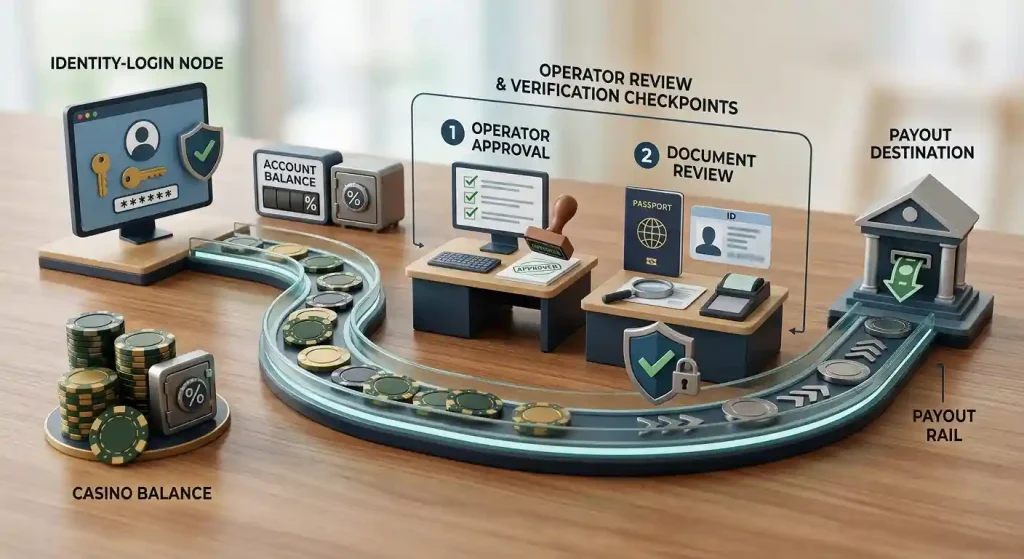
If your goal is to withdraw smoothly later, check the operator’s KYC and payment rules before funding the account. The shared identity does not make the cashier an Inclave service, and the casino can still ask for further compliance information.
- Read the operator’s own verification terms before depositing.
- Check whether the account name and payment-method ownership details need to match.
- Review what the operator says about additional KYC and source-of-funds requests.
- Keep your Inclave profile information current so basic identity details do not conflict.
- Do not assume that an earlier document check guarantees an operator will never request updated information.
- For payment-specific limits or timings, use the operator’s current cashier terms rather than a network-wide estimate.
Our separate guide to payout verification keeps the payment side separate from this identity-focused page.
Pre-deposit KYC checklist for Australian users
- Confirm the operator itself. Inclave is the login layer, so evaluate the casino as a separate business.
- Read current operator terms. Look specifically for identity, payment and source-of-funds sections.
- Check your Inclave profile. Your name, residence details and other core information should be accurate before verification.
- Prepare only documents the current process actually requests. Do not upload extra identity material to an unrelated channel.
- Know who is asking. Distinguish an Inclave verification request from a casino request before sending documents.
- Check privacy handling. Use the correct privacy policy for the service collecting the information.
How to read a new verification request
When a document request appears after you have already completed Inclave verification, first identify which service is asking. If the request is part of the Inclave identity flow, it belongs to the shared account. If it comes from the casino, read that operator’s own terms and privacy policy before sending anything.
This matters because the two services handle different parts of the relationship. Inclave verifies identity and manages the login layer. The casino holds the gambling account and controls deposits, withdrawals, bonuses and gameplay. A second request therefore should not automatically be treated as duplicate processing or as evidence that the earlier identity check was ineffective.
Do not send documents through an unrelated support channel simply to speed things up. Use the official request path, check what category of evidence is being requested, and make sure the recipient is the service that actually needs the information. This is a practical privacy safeguard as well as a way to avoid confusion between the two compliance processes.
What the operator does and does not receive from Inclave
Inclave’s current privacy policy draws a useful data boundary. It says a connected operator can receive selected account details and confirmation that identity has been verified, while the operator does not receive the underlying verification documents, biometric data or Inclave login credentials.
That boundary explains why a casino can still ask you for information directly. The operator may know that an Inclave identity check was completed without holding every item used in that check. If the operator has a separate compliance reason to request material, its own collection and privacy rules apply to that request.
For readers comparing casinos, this is more important than a generic “verified” badge. Once your identity is confirmed and approved, you can proceed with the standard Inclave casino login and passkey setup for seamless access. Ask which service is holding which data, which service is asking for more, and which terms govern the request. The answer tells you where to look for support, privacy information and any operator-specific KYC conditions. It also prevents a shared login from being mistaken for one shared compliance process.
Check document quality before submitting
A verification request can be delayed when the submitted material is incomplete or difficult to read. Follow the instructions shown by the service making the request. Make sure the requested document is current where required, all relevant details are visible, and the image is clear enough to read without editing. Do not crop away edges, obscure requested information or send a different document category simply because it is easier to find.
Details should also be consistent across the account and the documents supplied. If a name, address or other core detail has changed, use the official account or support process to explain the difference rather than repeatedly uploading conflicting material. Submit documents only through the secure channel identified by Inclave or the casino operator, and keep a record of which service received each item.
These habits do not guarantee approval or a particular processing time. They reduce avoidable confusion and help preserve the boundary between the shared identity check and any later operator request. If a service rejects an item, read the stated reason before replacing it so that the next submission answers the actual problem.
Where to go next
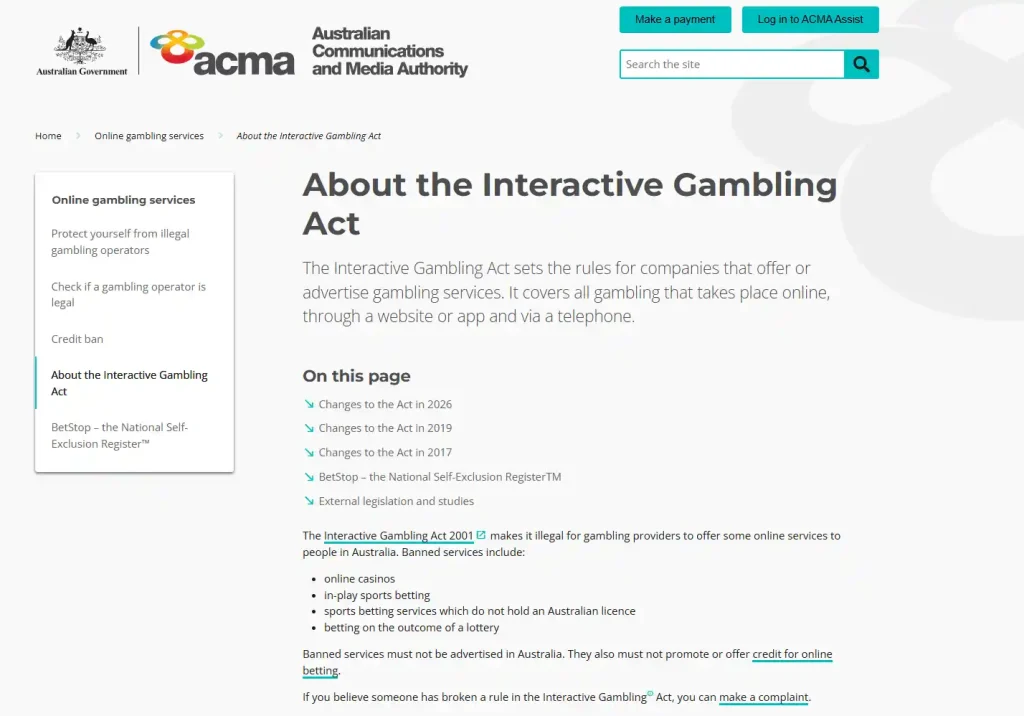
For the account-creation and passkey journey, return to Inclave login. For the wider Australian context and network structure, see the Inclave Australia guide. If your question is whether a particular operator is safe or legally appropriate to use, keep that separate from identity verification and read about safety and legality.
Bottom line
Inclave KYC is a shared identity check, not a universal exemption from casino compliance. Current official material describes identity-document, proof-of-address and live-image checks. A connected casino may still request further documents or source-of-funds information, because it remains responsible for its own gambling account and money flows.
This material was created by the Inclave Australia Guide team.
Related posts
Fast Inclave Casino Withdrawals Australia
Verified Inclave Casino Safety Australia